Wishlist

Best Trail Foods That Don’t Require Refrigeration: 15 Lightweight Options for Hikers
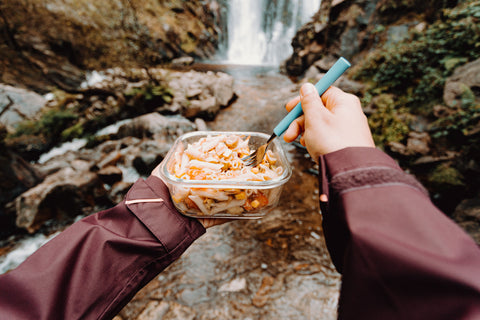
A good day on the trail starts with the right food in your backpack. When you are miles from the nearest café or campsite fridge, lightweight, shelf-stable foods can provide the energy you need without adding unnecessary weight. The best trail foods are easy to pack, simple to eat and capable of surviving changing temperatures.
Whether you are heading out for a few hours or planning a multi-day hike, having reliable hiking snacks can make the journey more enjoyable. Here are 15 options worth adding to your pack.
What Makes a Good Trail Food?
The ideal trail food needs to do more than taste good. It should provide useful energy, travel well, require little or no preparation and remain safe without refrigeration.
Nutrition is particularly important during longer activities. A study following hikers on the Colorado Trail examined nutritional and metabolic changes during long-distance hiking, highlighting the importance of considering diet during extended periods of physical activity.
Portability matters too. Foods that are calorie-dense without being bulky can help you carry enough fuel without filling your backpack with unnecessary weight.
15 Lightweight Foods to Pack
1. Trail Mix
A classic for good reason, trail mix combines nuts, seeds, dried fruit and sometimes chocolate or coconut. It provides a mixture of carbohydrates, fats and protein while being easy to portion into small bags.
2. Peanut Butter
Individual sachets or small jars of peanut butter are convenient sources of energy and healthy fats. Spread it on crackers or tortillas, or eat it straight from the packet if you are particularly hungry.
3. Dried Fruit
Apricots, mangoes, dates, raisins and banana chips provide concentrated carbohydrates in a lightweight package. They are especially useful when you want something sweet without carrying fresh fruit.

4. Wholegrain Crackers
Crackers are compact, easy to portion and pair well with peanut butter, nut butter or tuna pouches. Choose varieties that are sturdy enough to survive being carried in a backpack.
5. Energy Bars
Commercial energy bars can be convenient when you need something you can eat quickly. Look for options that provide carbohydrates and some protein, particularly for longer hikes.
6. Oat Bars
Homemade or packaged oat bars are another practical choice. Oats provide carbohydrates and can be combined with nuts, seeds, dried fruit and nut butter for a more substantial option.

7. Nuts
Almonds, cashews, walnuts and peanuts are compact sources of energy. Because they contain fat and protein, a small handful can be more satisfying than foods made primarily from refined carbohydrates.
8. Roasted Chickpeas
Roasted chickpeas provide carbohydrates and plant-based protein in a crunchy, portable form. Keep them in a sealed bag and add a little seasoning for extra flavour.
9. Tortillas
Unlike fresh bread, tortillas are relatively flat and easy to pack without getting crushed. Fill them with peanut butter, nut butter, honey or shelf-stable ingredients for a simple trail meal.
10. Jerky
Beef, chicken or plant-based jerky can add protein and savoury flavour to a backpacking menu. Choose commercially prepared products that are designed to be shelf-stable and follow the storage instructions on the packaging.
11. Tuna or Salmon Pouches
Shelf-stable fish pouches can provide protein without requiring refrigeration before opening. They work particularly well with crackers or tortillas when you need something more substantial.

12. Dark Chocolate
A small amount of dark chocolate can provide quick energy and make a welcome treat during a long hike. Just be aware that it can melt in hot conditions, so pack it carefully.
13. Pretzels
Pretzels are lightweight, carbohydrate-rich and easy to eat while walking. Their salty flavour can also make them appealing after hours of sweating, although they should not replace proper hydration or electrolyte planning.
14. Instant Oatmeal
For overnight trips, individual oatmeal packets can make an easy breakfast when you have access to hot water. Add powdered milk, nuts, seeds or dried fruit to increase their nutritional value.
15. Powdered Milk or Protein Powder
Small packets of powdered milk or protein powder can be mixed into oatmeal, drinks or other foods. They are particularly useful on multi-day trips when carrying fresh dairy products is impractical.
Fuel for Longer Days
Choosing the right hiking food becomes increasingly important as the distance and intensity of your adventure increase. Research involving recreational trail runners in Aotearoa New Zealand found that sports nutrition knowledge was weaker than general nutrition knowledge, with the lowest scores relating to fuelling during events.
This is a useful reminder not to underestimate your energy needs. A few snacks may be enough for a short walk, but longer or more demanding hikes require more deliberate planning.
Sports dietitian Nancy Clark, who has specialised in sports nutrition for athletes and active people for decades, advises that “every meal and snack has a purpose” when it comes to sports nutrition.
Keep Your Stomach Happy
More food is not necessarily better if it leaves you feeling uncomfortable. If you are planning a long hike, try new foods during training walks rather than introducing something unfamiliar on an important trip.
A study of ultra-endurance runners in Ireland found that gastrointestinal symptoms were common, while many participants relied on personal experience rather than professional nutrition advice when deciding what to eat.
Another study found that a high-carbohydrate diet with high FODMAP content increased some gastrointestinal symptoms before and during endurance exercise compared with a low-FODMAP version, although performance outcomes did not differ.
The lesson is simple: pay attention to what your own body tolerates. Test foods before your biggest adventures and avoid carrying something that you already know causes stomach problems.
Think About the Environment
For demanding hikes, nutrition is only one part of preparation. Hydration, temperature, altitude, distance, and the weight of your backpack can all influence how much energy you need.
A review on nutrition for mountaineers noted that access to fresh food becomes increasingly difficult at high altitude and recommended paying attention to energy, macronutrients, hydration and practical food choices.
Sports nutrition researcher Asker Jeukendrup, a leading expert in exercise metabolism and endurance nutrition, has also highlighted the importance of fuelling during prolonged exercise while considering individual tolerance and gastrointestinal comfort.
Pack Smart, Eat Well
The best trail food is ultimately food you will actually eat. Mix sweet and savoury choices, combine quick-energy foods with more filling options and portion everything before leaving home.
Keep foods in resealable bags or lightweight containers and pack enough for the planned duration, with some extra emergency food for unexpected delays. If temperatures will be high, avoid foods that melt easily or become difficult to handle.
For longer adventures, camping snacks can double as hiking meals, particularly when combined with instant grains, tortillas or other easy-to-prepare staples.
Fuel the Adventure
Good trail food does not need to be complicated. With a combination of nuts, dried fruit, bars, crackers, nut butter, jerky and other shelf-stable options, you can build a lightweight food kit that keeps you energised without relying on refrigeration.
The key is to plan around the length and intensity of your hike, choose foods your body tolerates and carry enough to cover unexpected delays. Whether you are heading out for a morning walk or a multi-day adventure, smart food choices can help keep your backpack lighter and your feet moving.
About the Author

Wolph Uk
We bring you informative sports & travel tips, to help you stay active and achieve your lifestyle goals.